
Statements
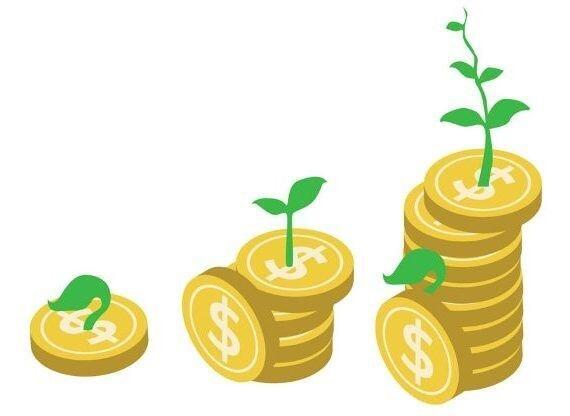
Credit and Microcredit
Credit is fundamentally the trust that allows one party to provide resources (such as money) to another, with the expectation of future repayment.
Microcredit is a specialized, inclusive form of this concept. It is defined as the extension of very small loans (microloans) to impoverished borrowers who typically lack collateral, steady employment, or a verifiable credit history, specifically designed to spur entrepreneurship and alleviate poverty.
A Defining Quote: Nobel Peace Prize laureate Muhammad Yunus, who pioneered the modern microcredit movement with the Grameen Bank, founded his work on the core conviction that:
"Credit is a fundamental human right."
He further distinguished microcredit from traditional finance by describing it as a reversal of conventional banking logic:
"We see it as something of a reversal of the conventional banking system, which is based on the principle that the more you have, the more you can get."
In Summary: While traditional credit relies on existing wealth as proof of reliability, microcredit flips this dynamic. It uses social trust, community support, and human potential to provide financial tools to those who need them most, empowering them to build their own economic stability.
Article
An Assessment of Microcredit
Delivering effective and sustainable microcredit requires more than just the availability of financial capital; it necessitates a well-defined social structure to act as a "glue" and substitute for traditional collateral. Indeed, microcredit is a mechanism that transforms human relationships into an economic resource.

Microcredit Program: Practical Details
A microcredit initiative is designed to provide accessible, transparent, and supportive financial services to individuals who lack access to traditional banking. Below are the practical details of how the program operates.
News

The Economy of Peace
War is often viewed as a political or geopolitical failure, but at its core, it is an economic enterprise. Conflicts are fueled, sustained, and profited from by complex financial networks, resource extraction, and the military-industrial complex. To truly build a culture of peace, we must learn to counteract (or contrast) war by dismantling its economic engines and redirecting those resources toward human flourishing.
Study
Network Support
Self-supporting networks must transform human relationships into economic resources, using social capital as collateral instead of traditional assets. The most successful models rely on:
- Trust-based lending without requiring collateral
- Peer monitoring and group accountability
- Social pressure to maintain repayment discipline
Financing Social Projects
Grassroots social projects in developing countries do receive financial resources from outside the country, but this reliance is increasingly recognized as a vulnerability. Historically, international aid, foreign foundations, and global NGOs have been the primary lifeblood for local community initiatives. However, recent shifts in global geopolitics, donor fatigue, and shrinking civic space have led to a sharp decline in foreign assistance, creating a massive and growing funding gap.
Project proposal
International networks of grassroot organizations
Building an international grassroots network is absolutely possible, but it requires:
- Patience: Networks take years to mature (SDI was founded in 1996, La Via Campesina in 1993).
- Trust: Invest time in relationship-building across borders.
- Flexibility: Adapt to different contexts while maintaining core principles.
- Persistence: Expect setbacks, but keep the long-term vision alive.
Report

The Sardinian Path to Social Development
"Microcredit is the bridge that connects these two realities: it provides the small financial capital needed by a young farmer in Fluminimaggiore (supported by Rimettiamo Radici) to turn a traditional harvest into a viable business, which in turn can join the ethical network of Warfree. This is the virtuous circle of ethical finance: money that does not just circulate, but roots and liberates."
Project report
The Sardinian Path as a Global Solution
The tragic phenomenon of farmer suicides, particularly acute in India but also present in other parts of the world (including rural communities in the US, Europe, and Latin America), is a profound indictment of the modern industrial agricultural model. It is driven by a toxic cocktail of predatory debt, expensive corporate seeds, climate vulnerability, and profound social isolation.
The "Sardinian Path"—characterized by grassroots networks like Rimettiamo Radici (biodiversity and tradition) and Warfree (ethical markets and solidarity)—is not just a romantic local initiative; it is a structural antidote to this crisis.
Here is how the Sardinian model acts as a lifeboat, and how it can be extended globally.
General

Keep the money rolling
"In economy a sound principle is "keep the money rolling". Is it debt and loans also a way to do that or they slow down the inherent dynamics of economic growth?"
Website
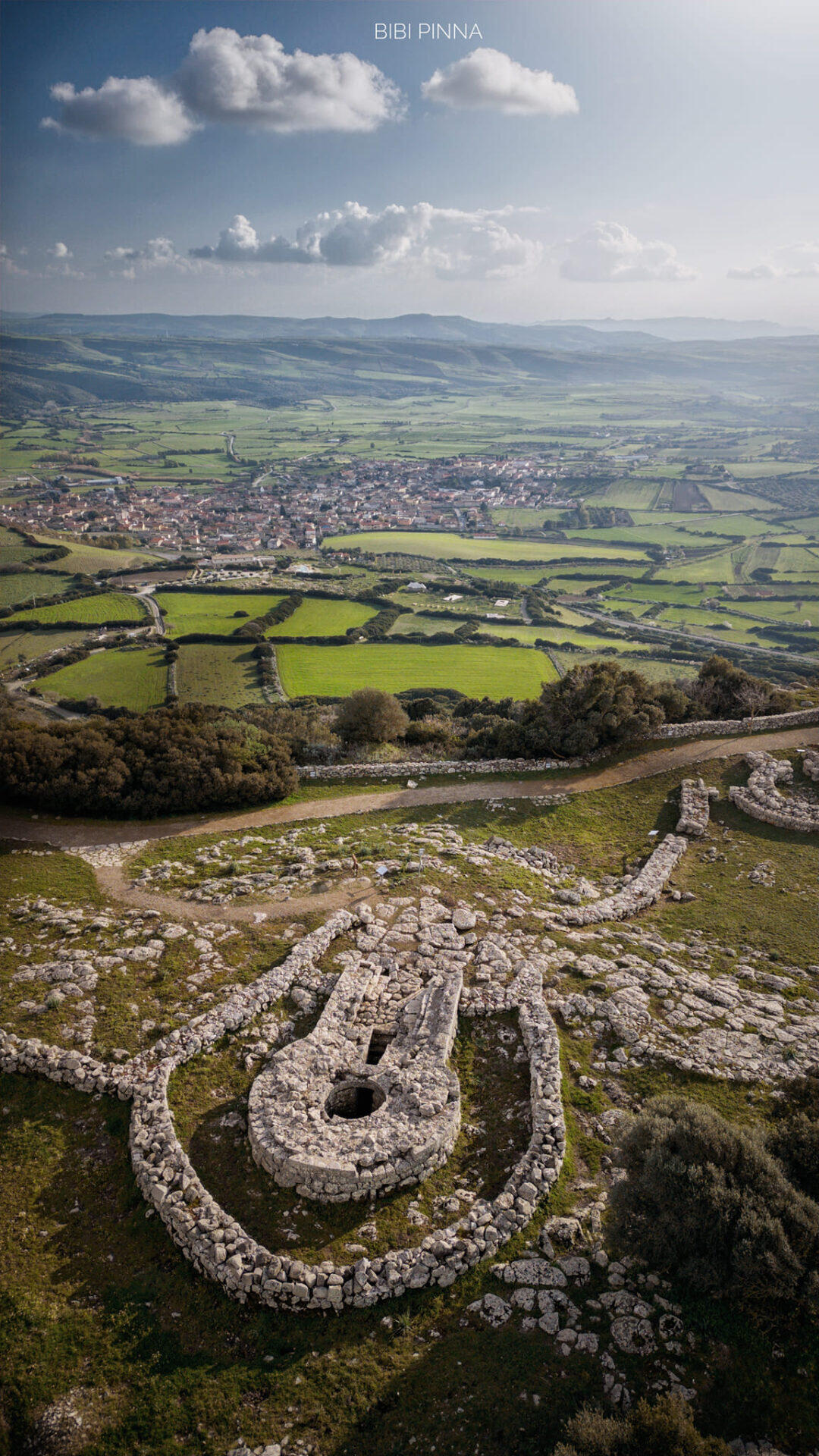
WHITE PAPER PROJECT LUCE
A Model of Human Society for the Inner Areas of Sardinia Strategic vision document for solidarity repopulation, community regeneration, and holistic development of territories
Video
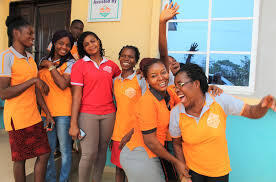
Videos from AMURT Nigeria
From Project Director:
“I am happy to report that we were able to complete the two boreholes in Ezzza North Local Government Area. One of the villages was changed, it was deemed in consultation with local stake holders that another villages should be prioritized due their bad water situation.